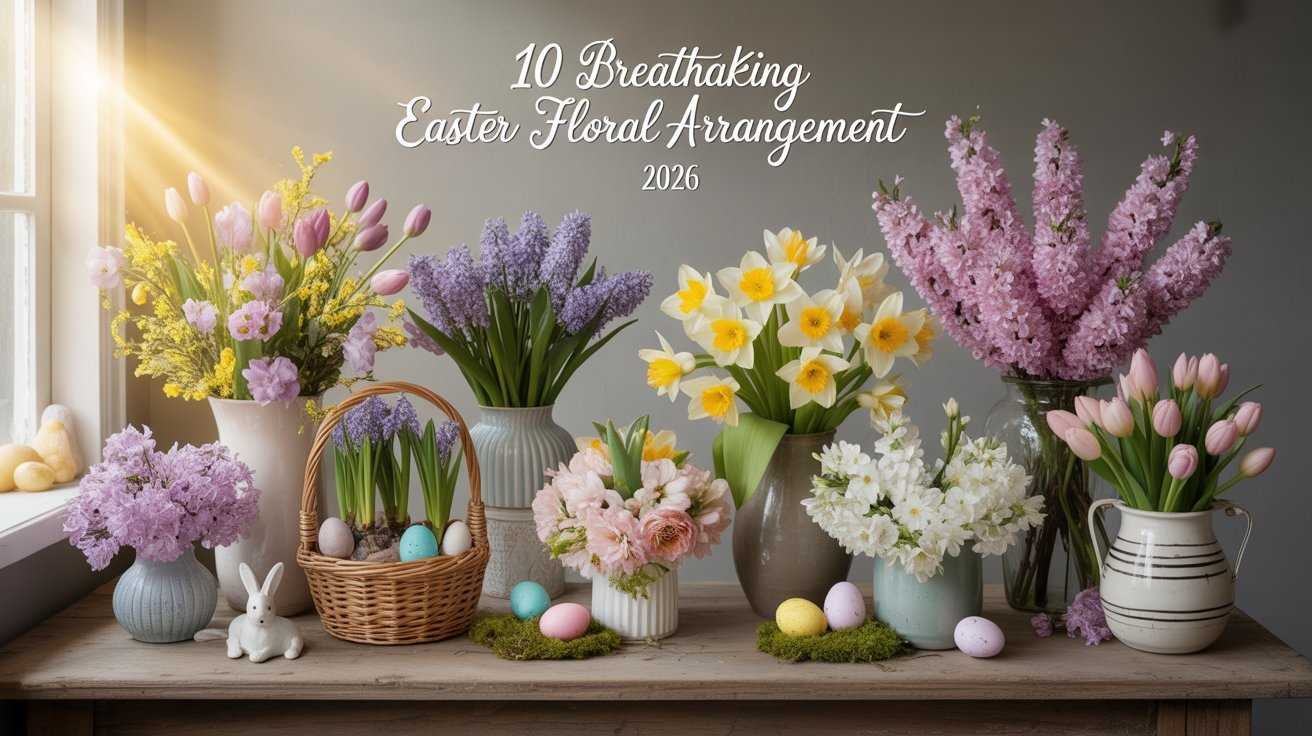
The season of spring brings new life as people in their homes start to remove their winter attire and welcome the brightness and new life of spring.
The Easter holiday stands as the main festive element which determines how people celebrate this seasonal period.
A stunning floral display provides the most authentic seasonal experience to your home whether you are preparing a festive family brunch or decorating for the spring season.
The year 2026 will see interior design trends that combine natural elements with “Quiet Luxury” and “Dopamine Decor” design elements which create joyful spaces.
Your Easter floral decorations should consist of more than basic supermarket flowers which you should display in a glass vase. Homeowners who use Pinterest today seek design arrangements which create purposeful visual displays that show their personal narrative.
Your complete room design needs a proper centerpiece because it will serve as the main element which holds everything together.
The 12 Easter floral arrangement ideas which we present in this complete guide will create extraordinary displays that achieve viral success on Pinterest while beautifying your home.
The guide will show you all necessary materials together with expert styling methods and design psychology which reveals why every style achieves perfect harmony with modern spring design.
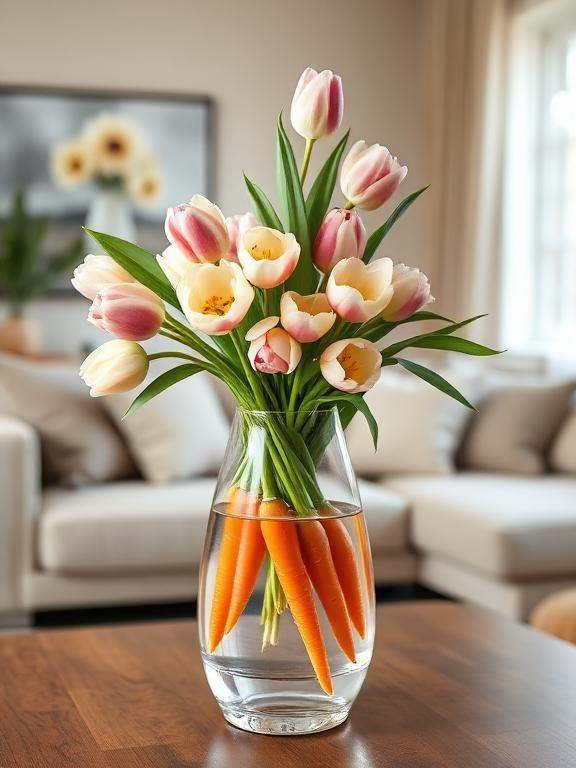
1. The Iconic Carrot and Tulip Double-Vase Centerpiece
The carrot and tulip centerpiece stands as the most popular floral display which causes Pinterest to crash every spring.
The design provides a festive appearance through its combination of playful elements and multiple textures which create an immediate Easter atmosphere.
The design achieves its brilliance through its smart design which uses vegetables to create both functional and decorative parts of the structure.
The Concept:
Bright orange carrots create a circular boundary which surrounds a transparent glass container while yellow and orange tulips spring up from the container’s top to imitate the appearance of fresh carrot leaves.
Materials Needed: The project requires one large clear cylinder vase and one smaller cylinder vase which must fit inside the larger one with about an inch of space between them and 1-2 bunches of fresh whole carrots and 2-3 dozen yellow and orange tulips.
Step-by-Step Styling:
The smaller vase must go to the middle point of the larger vase.
The fresh carrots should enter through the opening which exists between the two vases while standing upright to create a solid orange wall.
The inner vase receives cool water which you will use to create your tulip arrangement.
Expert Tip:
Tulips grow towards light because they exhibit phototropism which allows them to continue growing even after their flowers have been cut.
The natural wild movement should become your preferred choice.
The flowers should spread their stems across the vase edges to create a natural abundant appearance instead of making them stand upright.
2. Rustic Mason Jar Wildflowers with Bunny Tails
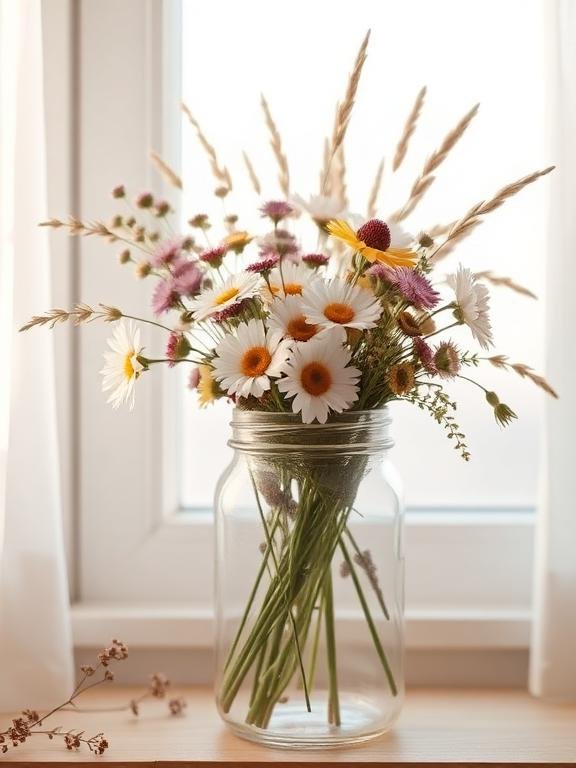
Homes that follow modern farmhouse or cottagecore design need to create an appearance that resembles freshly collected flowers from the meadow.
The arrangement uses delicate textures and a soft color palette which creates a welcoming and understated atmosphere.
The Concept:
The arrangement displays pastel wildflowers together with dried elements and Lagurus ovatus which serves as the central attraction.
Materials Needed:
The project needs a vintage blue or clear oversized mason jar together with chicken wire to construct a floral grid and dried bunny tail grass and chamomile daisies and soft pink ranunculus and dusty miller leaves which will serve as foliage.
Step-by-Step Styling:
The mason jar needs a small piece of chicken wire to be crumpled and used as an eco-friendly structural grid inside the container. Start by using dusty miller leaves to create your intended shape.
The ranunculus and chamomile should be positioned at different height levels.
The dried bunny tails need to be interwoven throughout the design while they should extend above the fresh flowers to display their fluffy texture.
The Expert Tip:
To transform an ordinary mason jar into a more sophisticated item, wrap its neck with a piece of raw-edge chiffon ribbon or natural jute twine.
The small textural detail creates a considerable visual impact which also appears beautiful during close-up photography.
3. Pastel Hydrangeas in a Vintage Watering Can
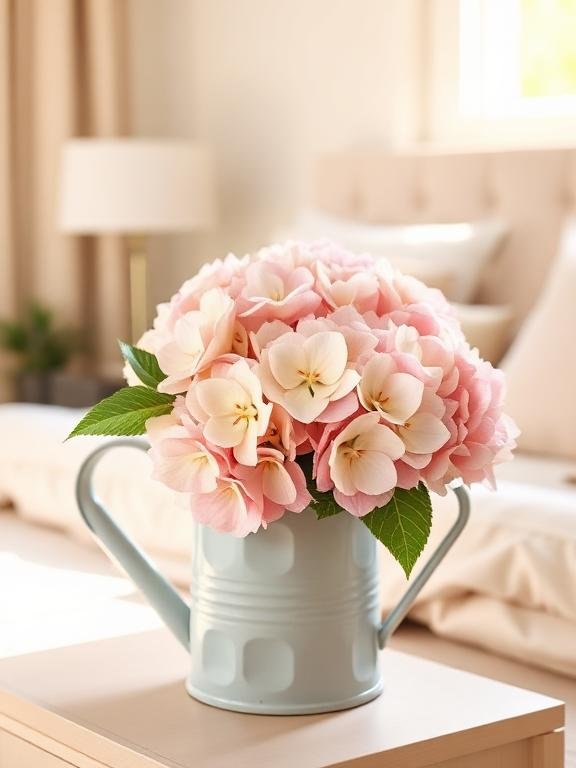
The first element of this project features pastel hydrangeas which emerge from a vintage watering can.
The decorative use of hydrangeas during spring and summer designates them as the ultimate floral choice for this period.
The exceptional size of their spherical flowers enables users to achieve substantial results by utilizing only a few flower stems.
The use of a vintage watering can as an unexpected container for your arrangement brings a playful outdoor garden atmosphere into your home.
The Concept:
Oversized, powder-blue and soft pink hydrangeas overflowing from a distressed, galvanized metal or pastel-painted watering can.
Materials Needed:
A decorative watering can, a small waterproof plastic container (if the watering can is not watertight), 5-7 large hydrangea stems, and clear floral tape.
Step-by-Step Styling:
Create a grid over the opening of your watering can (or the hidden plastic container inside) using clear floral tape.
The hydrangea stems need to be cut at an angle of 45 degrees. The grid should be filled with hydrangea stems which will allow their heavy blossoms to tilt forward and create a thick white color display.
Expert Tip: Hydrangeas need substantial moisture to thrive. The process of boiling water should dip the newly cut flower ends for 10 seconds before users put the ends into water which reaches standard room temperature.
The process will disintegrate sap which prevents water from moving through the plant.
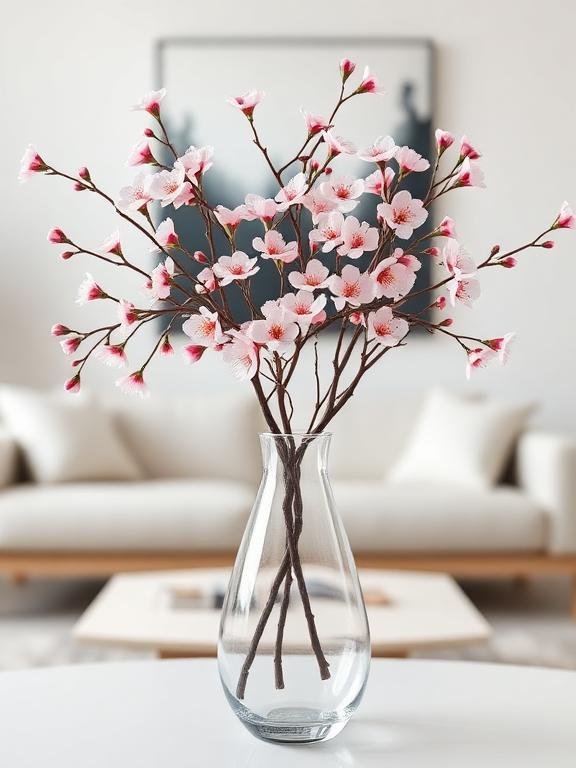
4. The Minimalist Cherry Blossom Branch Display
Easter displays will work without needing to use any bright pastel colors. The use of tall architectural spring branches creates a sculptural design which achieves the sophisticated style of “Quiet Luxury” design.
The Concept:
The design displays tall cherry blossom or dogwood branches which extend to the ceiling while being held in a handcrafted ceramic vase with heavy weight and textured lime wash finish.
Materials Needed:
A tall, heavy-bottomed vase which can show beige and warm grey and terracotta as its base colors and three to five tall cherry blossom or dogwood branches and decorative river rocks.
Step-by-Step Styling:
The first step requires you to add heavy river rocks into the vase base because this will stop the tall branches from tipping over the vase.
The container needs to be filled with water. The branches should be placed one by one while you step back to check the appearance of empty spaces.
The designer seeks to create an asymmetrical design which follows Japanese Ikebana principles.
Expert Tip:
When you need to cut branches from your yard, you should use a hammer to lightly smash the bottom inch of the woody stems.
The process enables the dense wood to absorb water at a faster rate, which results in your blossoms reaching their full opening and extended lifespan.
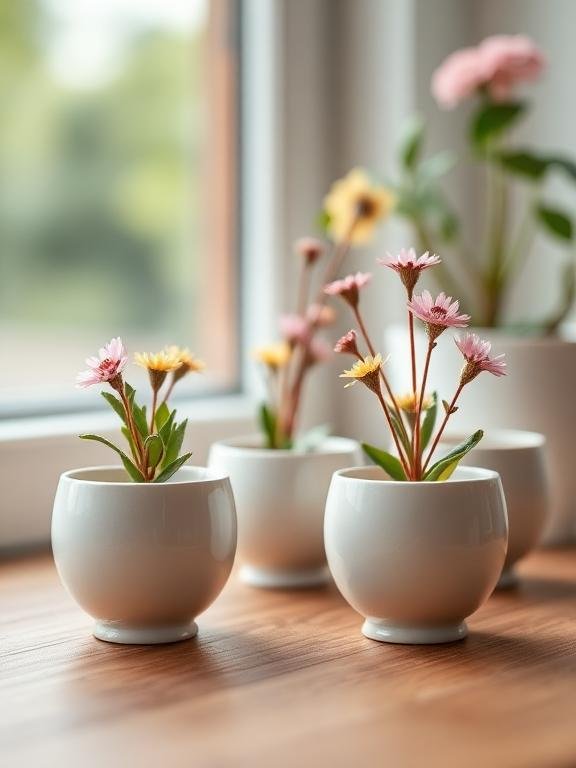
5. Upcycled Eggshell Mini Planters for Tablescapes
The DIY project, which demonstrates extreme “pinnability” potential, will create viral success.
The Easter dining table receives its decorative element through actual eggshells, which function as tiny vases to create a charming and environmentally friendly display.
The individual place settings function as separate entities, while their combined form creates an attractive centerpiece display.
The Concept:
Halved, cleaned white or brown eggshells serve as tiny vessels which contain petite spring blooms that are displayed in a ceramic egg carton or placed inside Spanish moss.
Materials Needed:
6-12 clean, empty eggshells (top third carefully cracked off), a ceramic egg holder or a small nest of Spanish moss, and delicate mini-blooms like lily of the valley, grape hyacinth (muscari), or sweet peas.
Step-by-Step Styling:
The process begins with people washing the eggshells, followed by their complete drying.
The items need to be put in the ceramic egg carton. The shell requires one teaspoon of water. The user must use tweezers or delicate hand movements to put 2-3 tiny stems into each shell.
Expert Tip:
For a luxurious touch, use gold leaf to gently paint the cracked, uneven edges of the eggshells before adding the flowers.
The metallic accent creates a visual effect which reflects candlelight throughout the dinner, while the rustic craft transforms into an elegant high-end decor item.
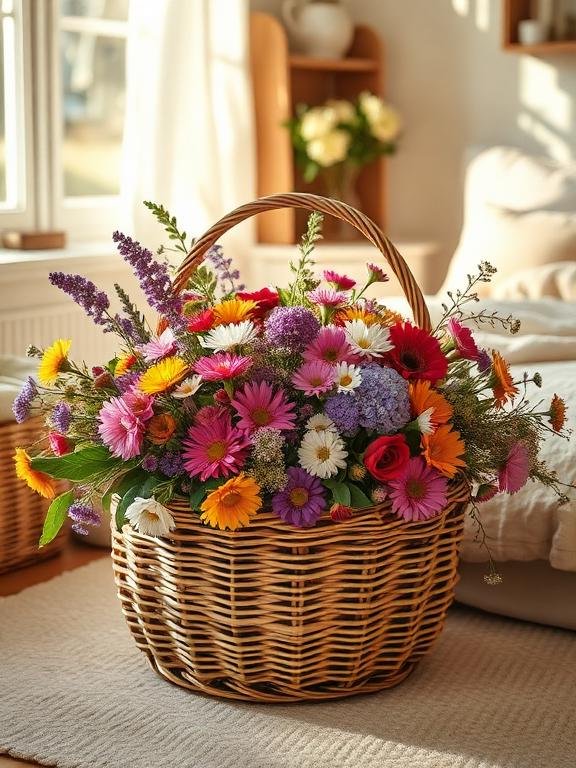
6. The “Cottagecore” Woven Basket Floral Overflow
The “Cottagecore” Woven Basket Floral Overflow shows how woven elements are used to create floral displays which create a natural feeling through their use of rattan and seagrass and wicker materials.
The use of these materials in your flower arrangement makes a warm natural look which brings elements of nature into your design.
The Concept:
A shallow, wide woven basket that appears to be overflowing with a wild, organic mix of spring garden flowers, resembling a freshly gathered harvest.
Materials Needed:
A shallow wicker or rattan basket, a waterproof plastic liner or a low glass bowl to fit inside, floral foam (soaked in water), garden roses, snapdragons, ferns, and trailing ivy.
Step-by-Step Styling:
Place your water-filled bowl or soaked floral foam inside the basket. Start by using the trailing ivy to create a “spilling” effect which lets the ivy drop down from the basket edges.
Build the height in the center with snapdragons, and fill the gaps with the lush garden roses.
Expert Tip
: To achieve the true “cottagecore” aesthetic, avoid symmetry. Let some stems stand taller than others, and mix different textures of foliage.
The arrangement should look like it was effortlessly tossed together after a morning walk in the countryside.
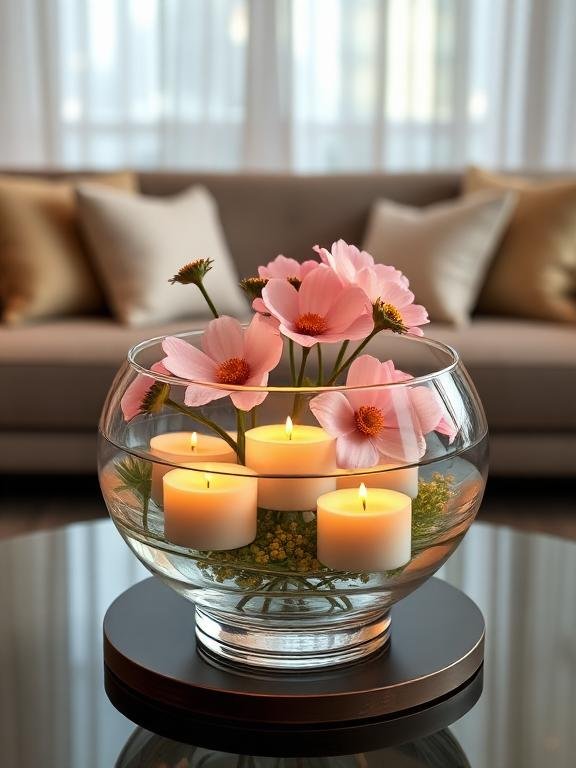
7. Floating Spring Blooms & Candles in a Centerpiece Bowl
The floating arrangement serves as the ideal solution which creates a conversational space for dining because of its low-profile design and elegant appearance. The combination of water and candlelight and delicate petals creates a peaceful and romantic atmosphere.
The Concept:
A wide, shallow glass or ceramic bowl filled with water, featuring floating spring flower heads and glowing floating tea light candles.
Materials Needed:
A large,shallow centerpiece bowl which requires distilled water and five to seven floating candles and large flat-faced flowers that include open peonies and ranunculus and large daisy heads.
Step-by-Step Styling:
Fill the bowl halfway with room-temperature distilled water (distilled water prevents bubbles from forming on the petals).
The stem of the flower needs to be cut at its base which connects to the flower’s bloom.
The flower heads and candles should be positioned on the water’s surface with careful handling.
Expert Tip:
To make the water look crystal clear and professional, add a tiny drop of bleach and a drop of clear dish soap to the water before adding the flowers.
This method maintains proper surface tension which allows objects to float while simultaneously creating a barrier that prevents bacteria from developing.
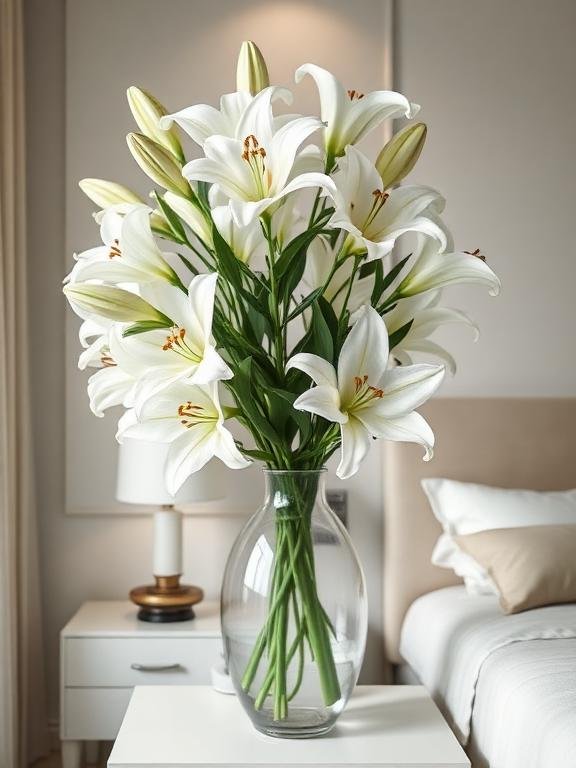
8. Monochrome White Lilies for Quiet Luxury
Monochrome White Lilies for Quiet Luxury The most powerful way to communicate your message requires you to choose minimalistic expressions.
The “Quiet Luxury” trend uses only premium materials which create understated yet sophisticated beauty.
An Easter celebration reaches complete refinement through a white monochromatic display which creates pure calming beach.
The Concept:
The display consists of Easter Lilies and Casablanca lilies which are displayed in a single large arrangement.
The display uses a neutral stone vase which has a highly textural design that resembles travertine and marble.
Materials Needed:
The project requires a heavy travertine or marble or unglazed ceramic vase together with 10-15 high-quality white lily stems and sharp floral shears.
Step-by-Step Styling:
All leaves which will be submerged in water must be removed to preserve the cleanliness of the water.
The florist should cut stems at different heights because this technique creates a cascading effect with blooms instead of forming a tight ball shape.
The modern design of the arrangement needs to use only one flower species.
Expert Tip:
Lilies create large amounts of pollen which results in permanent stains on clothing and tablecloths.
You should use a tissue to gently pinch and pull off the pollen-covered anthers which appear as orange yellow fuzzy parts that exist in the flower center. This process extends the flower’s lifespan by a large amount of time.
9. The Dramatic Peony & Eucalyptus Table Runner
A single centerpiece vase becomes insufficient for a long rectangular table used during a large formal dining event. The floral table runner creates an uninterrupted visual display which expands throughout your dining area.
The Concept:
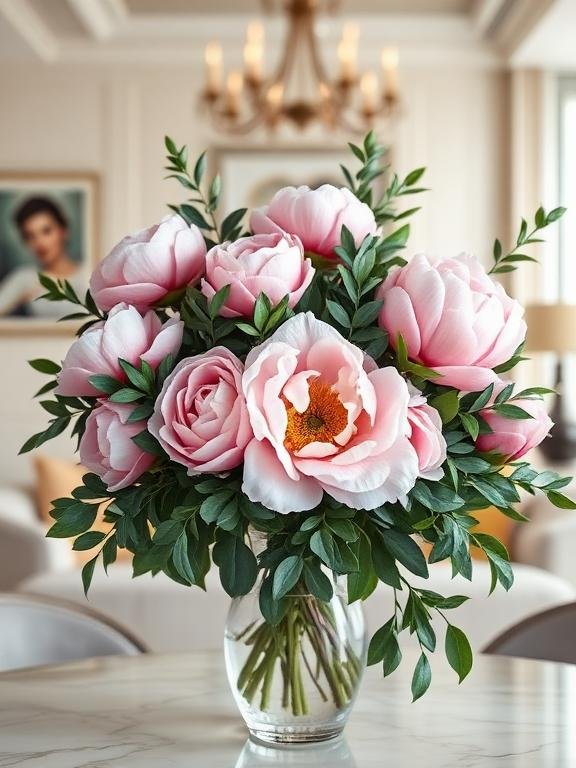
The table displays a low arrangement which extends across the table space and displays its beauty through fragrant silver-dollar eucalyptus and massive pink peonies.
The table runner requires gauze or linen fabric and 4-5 bunches of silver-dollar and seeded eucalyptus and 15-20 fresh peonies and floral water tubes which consist of small plastic tubes with rubber caps to hold water for individual stems.
Your fabric runner needs to be laid down first because it needs to be scrunched for texture.
The eucalyptus branches need to be laid down flat on the table center while their ends need to be woven together which results in a continuous green garland.
The peony stems need to be cut short because the stems should be inserted into the floral tubes which contain water and the tubes must be hidden under eucalyptus leaves.
Expert Tip:
Peonies show unpredictable behavior because they remain closed for several days or they open before dropping all their petals within one day.
You should add warm water to your closed peonies which need to open for your event because you will put them in a warm sunny room where they will open on time.
10. Daffodils & Moss in an Antique Dough Bowl
Your spring decor achieves its authentic woodland appearance through the use of live plants and moss which introduce natural earth elements to your design.
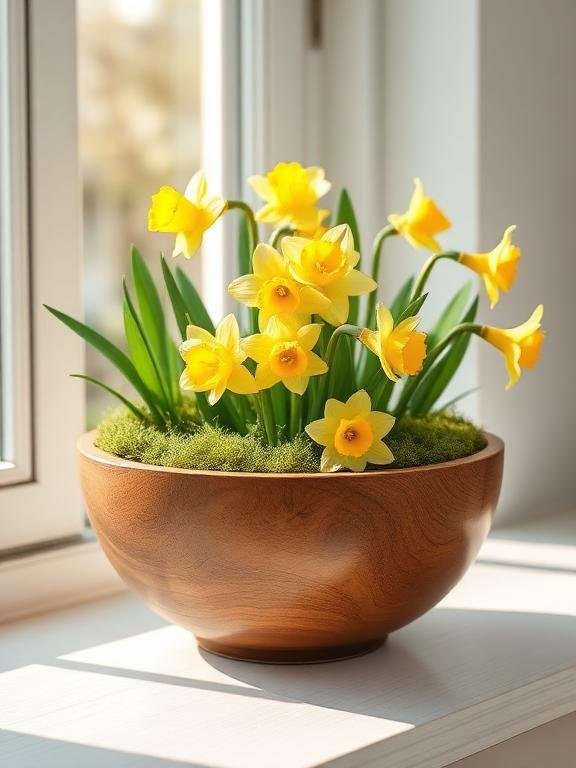
The use of an antique wooden dough bowl creates an atmosphere that embodies both historical significance and traditional design elements.
The Concept:
A “living” centerpiece featuring potted yellow daffodils and vibrant green sheet moss, planted inside a long, shallow, rustic wooden dough bowl.
Materials Needed:
A large wooden dough bowl, plastic lining to protect the wood, 3-4 small pots of blooming daffodils or narcissus, and fresh green sheet moss (available at floral supply stores).
Step-by-Step Styling:
The dough bowl needs a plastic lining which protects its wood from water damage.
The daffodils should be removed from their nursery pots before the soil blocks are positioned in the bowl’s base.
The sheet moss should be used to surround the plants while it hides all visible soil and plastic parts until it achieves a garden-like appearance.
Expert Tip:
The arrangement will remain intact for several weeks because these bulbs maintain their complete root system.
The moss requires daily misting with a spray bottle while the bulbs need light watering at their base. After Easter, you can plant the bulbs directly into your garden!
Final Thoughts for a Blooming Spring
People need to create an Easter floral display that leaves a lasting impression.
The process requires you to grasp the different textures while using seasonal colors and selecting containers which match your home design.
Your Pinterest-worthy centerpiece requires you to create an intentional design which matches your taste between the boldness of an ombre rose dome and the natural beauty of daffodils arranged in a dough bowl.
People should test different design elements for their mixed materials by combining hard stones with soft linens and using vibrant tulips together with earthy root vegetables.
People should bring outdoor elements into their homes to create a natural home environment.